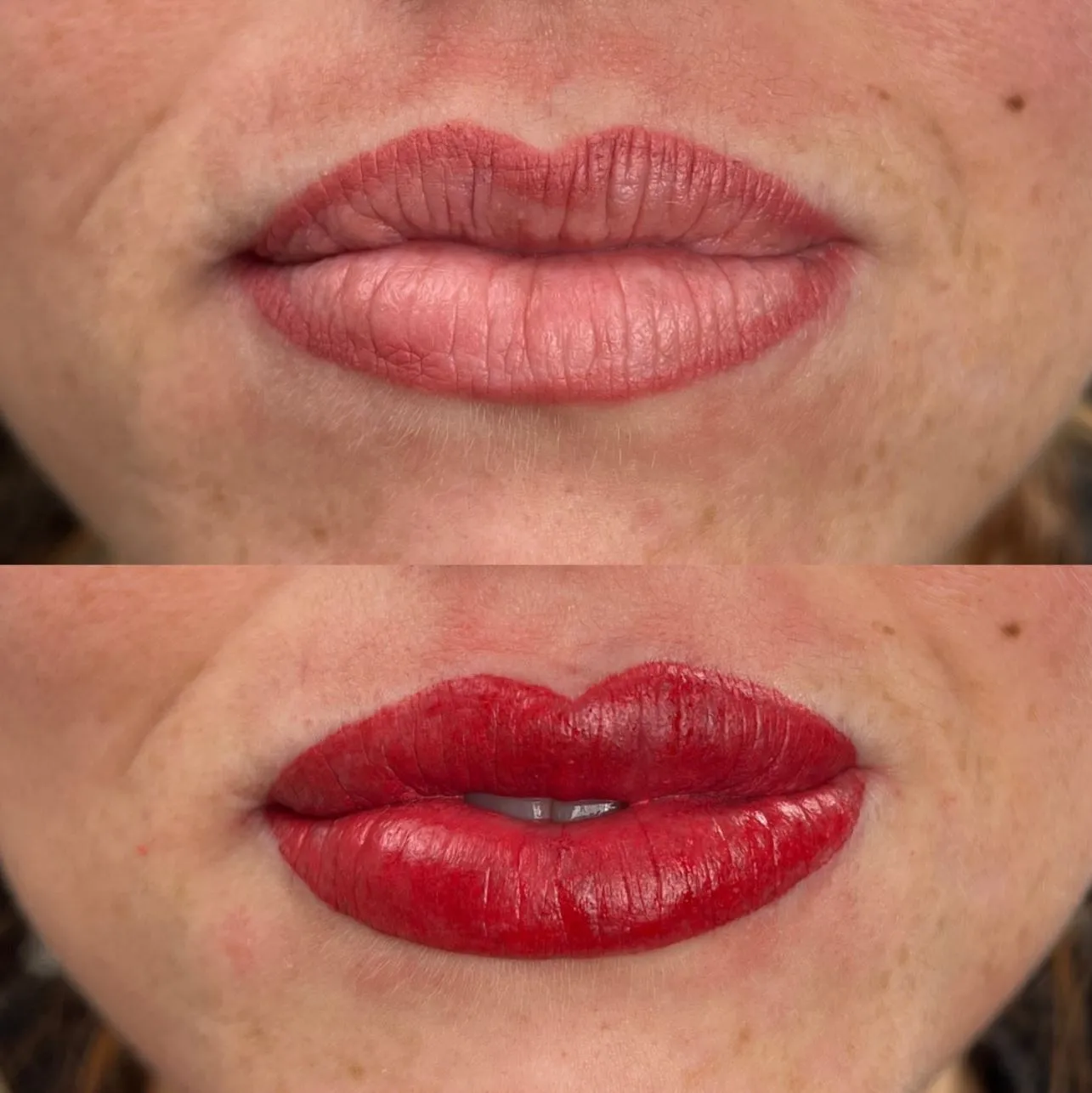
Ever looked in the mirror and thought, “I just want a bit more definition… permanently”? You’re not alone. Lip tattoos (especially lip blush) have taken off in Melbourne in the last few years — but with that has come questions. Big ones. Like: What does a cosmetic lip tattoo look like after 5 years? That’s not the kind of info you get from a filtered Instagram reel. That’s where experience (and a healthy dose of honesty) comes in.
I’m Olha Po, a certified cosmetic artist and founder of Cosmetic Tattoo Melbourne Studio Face Figurati, and after almost a decade in the cosmetic tattooing industry I can confidently say: lip tattoos age — but how they age is a combination of technique, skin type, lifestyle choices and pigment quality.
Let’s break it all down so you know exactly what to expect 5 years after that initial lip blush treatment.
Faded, Flat or Fabulous?
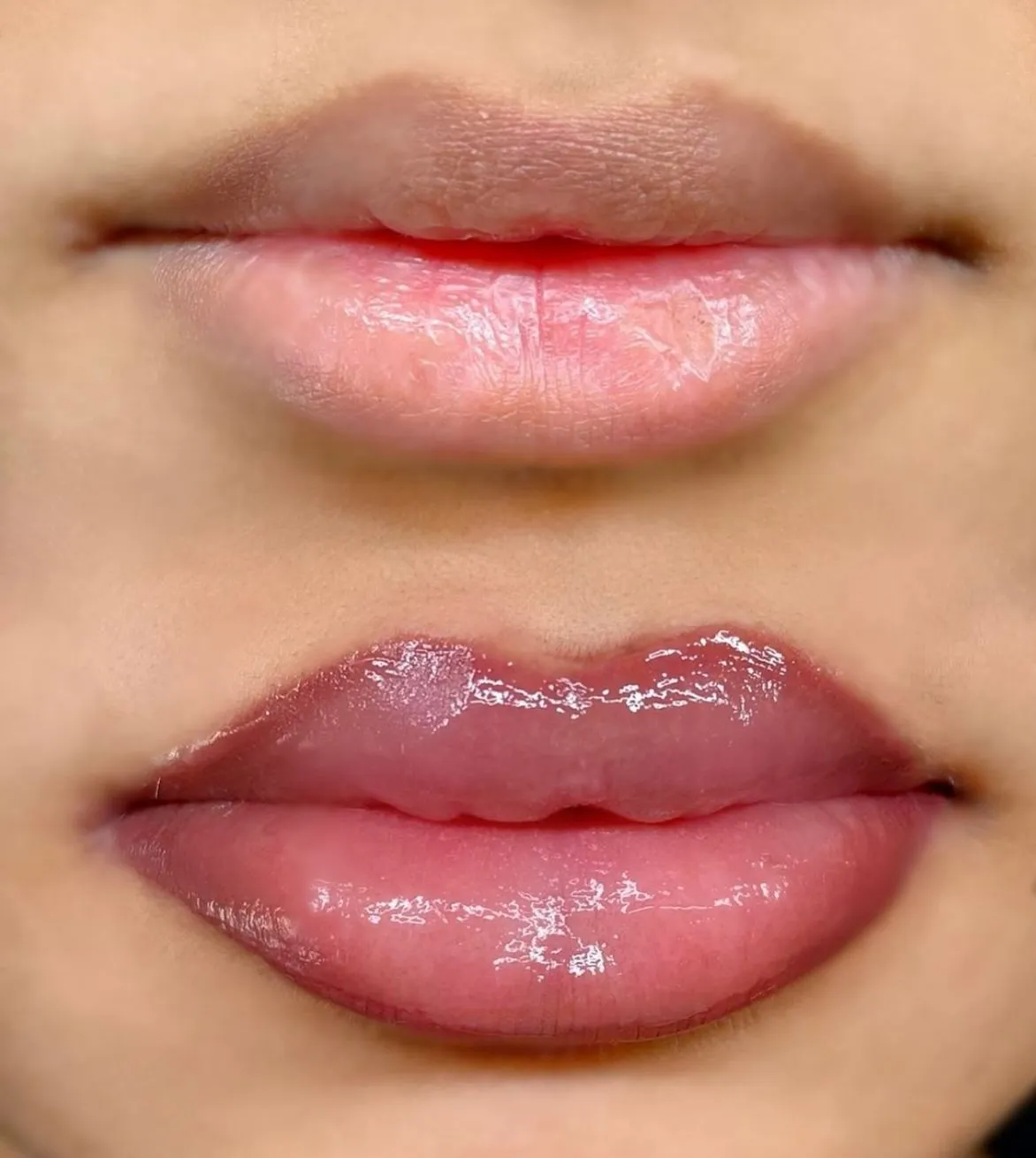
5 years post-treatment your cosmetic lip tattoo won’t look as sharp or vibrant as it did in week one. That’s normal — and even desirable. Here’s what you can expect:
- Natural fading: Most clients will see their lip tint soften by 50% or more over 3–5 years
- Less defined lip line: The edges will blur slightly especially in mature or dry skin types
- Shifting tones: Cooler pigments will lean ashy or mauve; warm tones will mellow to peachy pinks
At Face Figurati I see clients return around the 2.5 to 3-year mark for a colour refresh. By year 5 untouched work will often look like a soft lip balm stain rather than a true lipstick finish. If you want a cosmetic lip tattoo Melbourne clients love for its natural fade and soft finish you’re in good hands.
Why Fading Happens
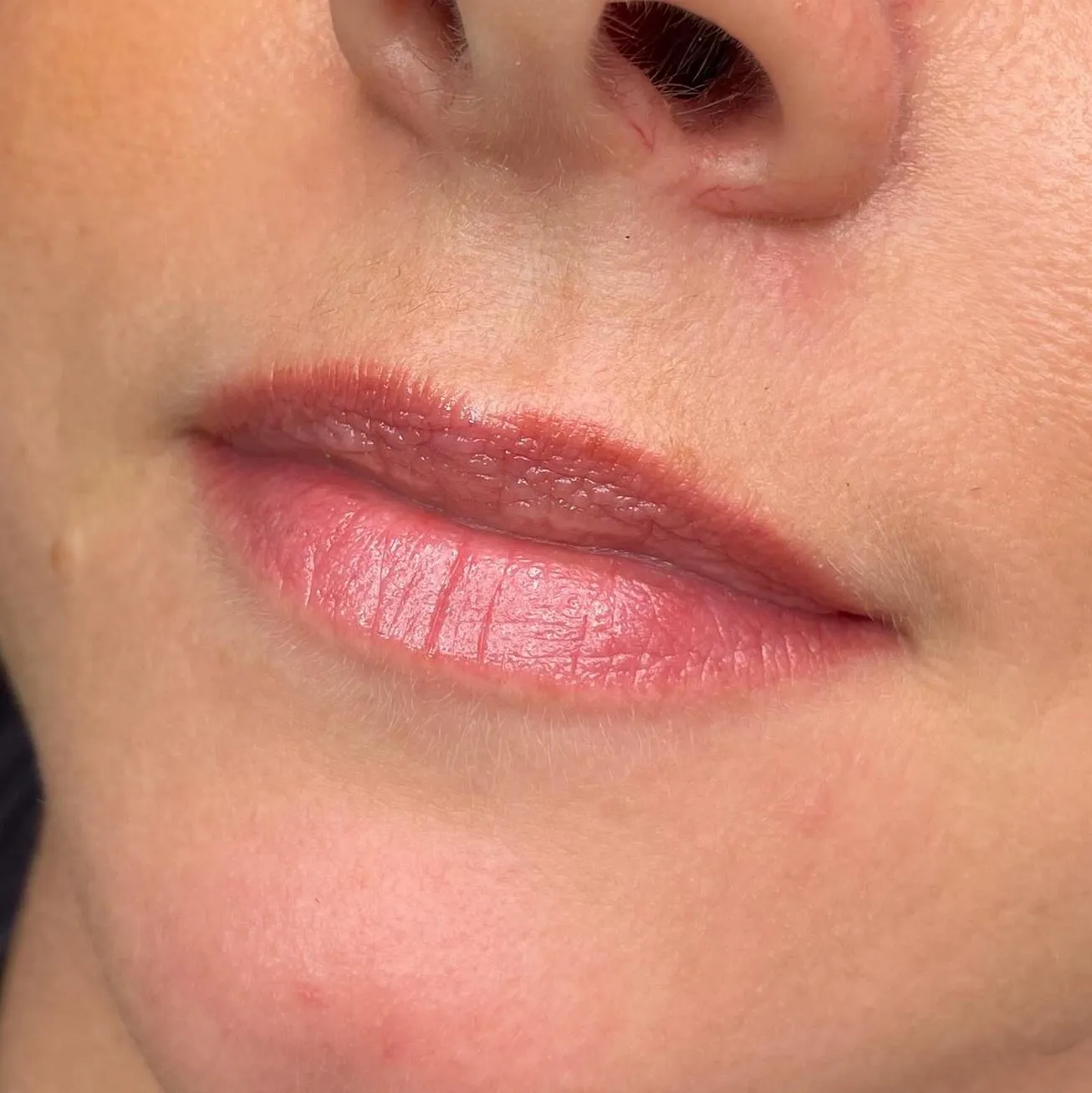
Cosmetic tattooing uses semi-permanent pigments — not the same inks as a permanent tattoo. They’re designed to fade gracefully over time so your lips don’t end up with harsh outlines or dated shades. Fading is affected by:
- Pigment quality: At Face Figurati I only use advanced pigments with controlled fade curves and excellent colour retention
- Sun exposure: UV breaks down pigment especially in fair or thin lip skin
- Skin turnover: Faster cell renewal = faster fade especially in younger clients
- Lip care: Exfoliating or using active products near the lip border will speed up fading
It’s like semi-permanent hair colour — you want it to fade evenly not hang around.
Lifestyle Habits That Affect Longevity
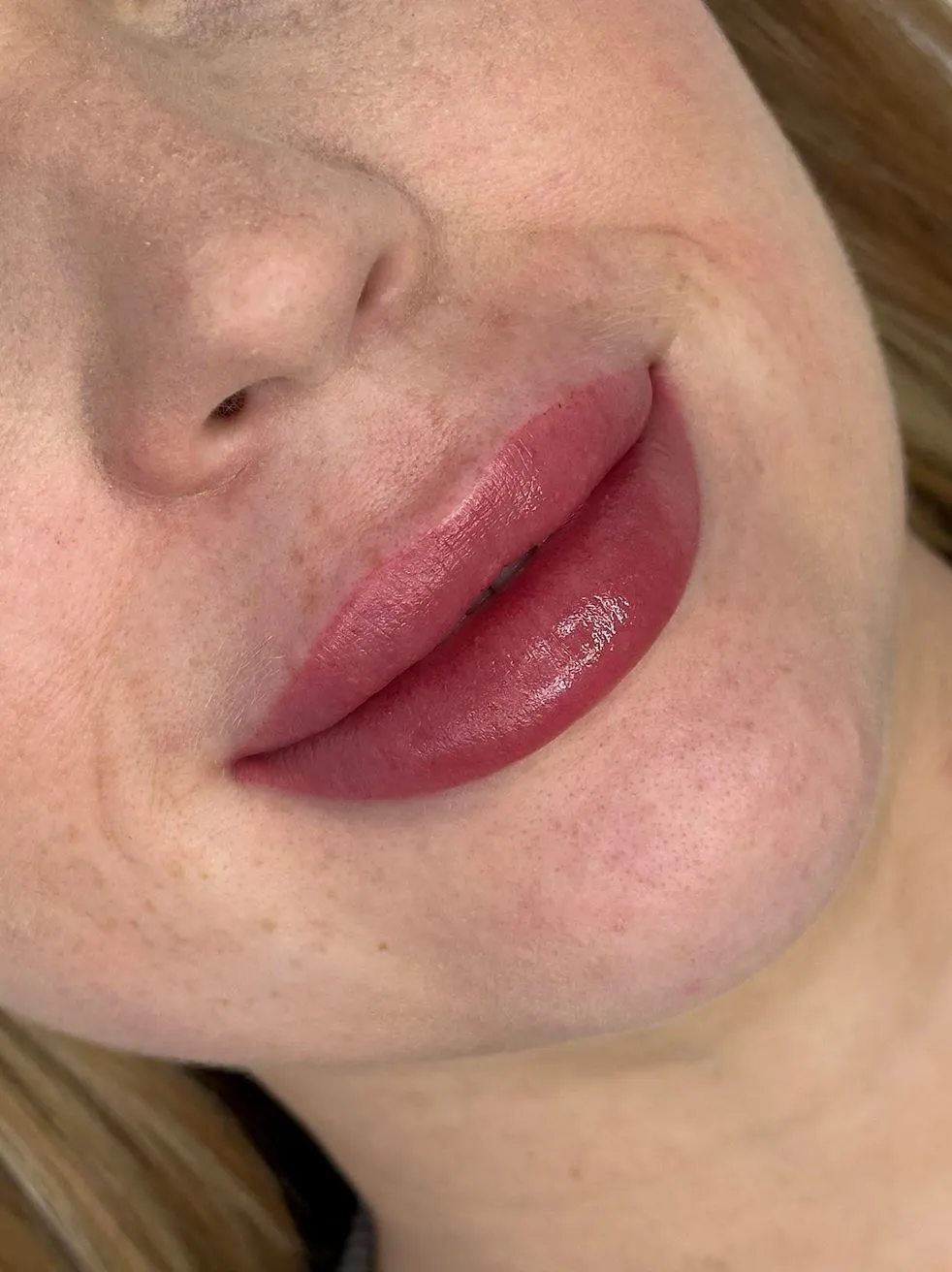
What you do after your tattoo matters just as much as how it was done. I’ve seen tattoos hold beautifully for five years — and others fade unevenly in 18 months. Common culprits?
- Smoking: Slows down healing and accelerates pigment loss
- Lip fillers: Can shift pigment and affect lip shape retention if done too soon after tattooing
- Sunbaking or solariums: Breaks down pigment faster than anything else
- Active skincare (AHAs, retinol): Exfoliates the lip line unintentionally
- Frequent use of lip plumpers: Can overstimulate delicate lip skin and affect pigment hold
At Cosmetic Tattoo Melbourne Studio Face Figurati, we give you detailed aftercare to help you get the most out of your cosmetic lip tattoo Melbourne-wide.
Skin Types & How They Impact Results Over Time
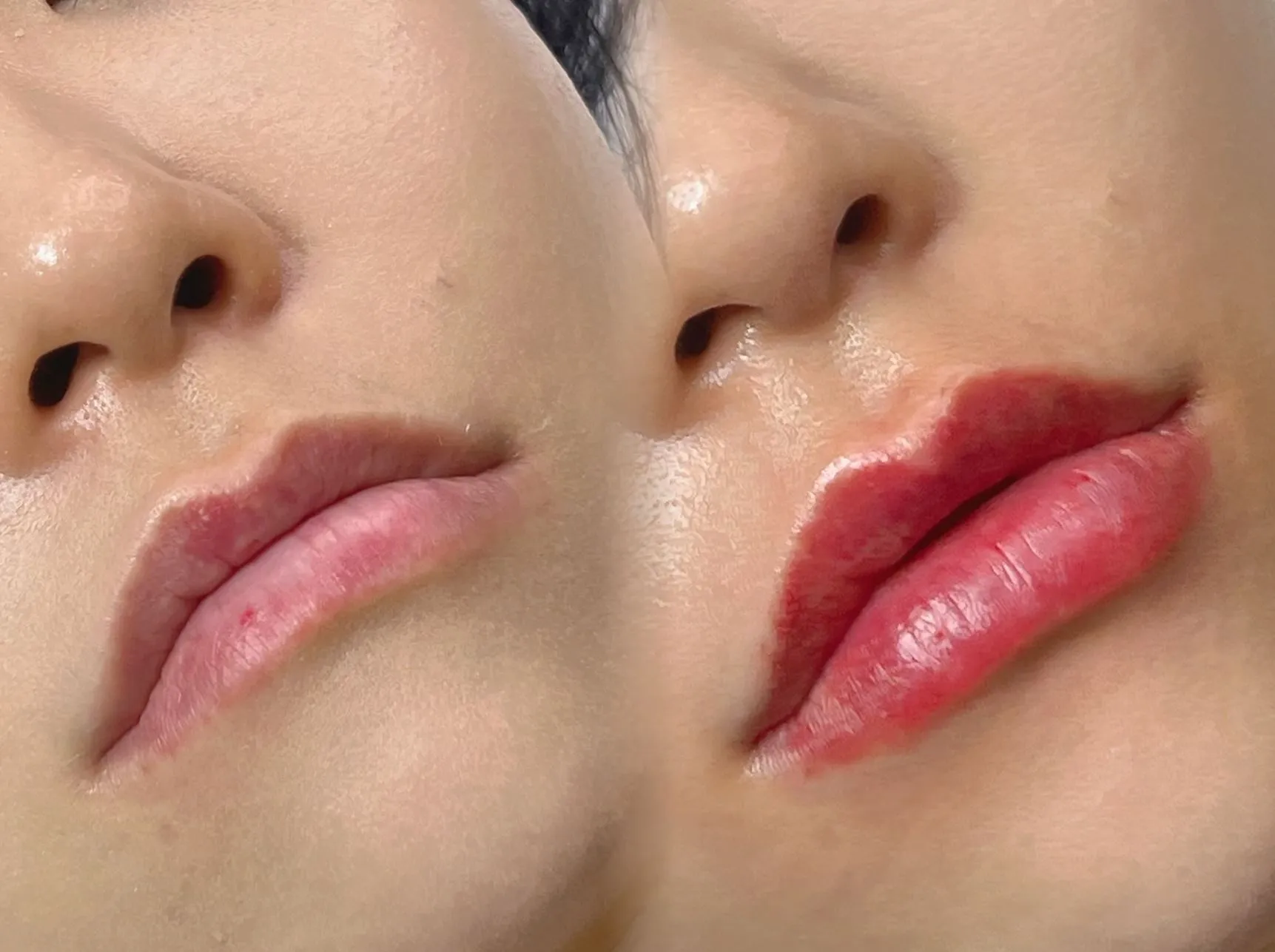
Different skin = different results. Here’s what I tell clients based on their natural lip skin:
| Skin Type | Long-Term Lip Tattoo Behaviour |
|---|---|
| Fair, cool-toned | Tends to fade to a cooler pink or mauve tone; needs warmer pigment selection upfront |
| Olive or warm skin | Holds warm tones well; fades more evenly but may desaturate faster in sun-exposed lifestyles |
| Mature skin | Lips can lose definition faster; edge blurring is more common |
| Dry or flaky skin | Patchy healing = patchy fading if not properly cared for |
At Face Figurati, we take this into account when choosing pigment, shaping your lip line and guiding you on aftercare.
What About Colour Migration or Uneven Fading?
This is where your cosmetic artist’s technique and your aftercare come in. If your cosmetic tattoo artist goes too deep with the tattoo machine, or if you skip the lip balm and healing balm in week one? That’s when you risk:
- Blue-grey migration outside the lip border
- Uneven fade patterns (especially around lip corners)
- Splotchy results on dry lips or post-filler swelling
A professional cosmetic lip tattoo Melbourne service should always include a proper consultation and pigment match to avoid these issues.
Can You Touch Up or Remove an Old Tattoo?
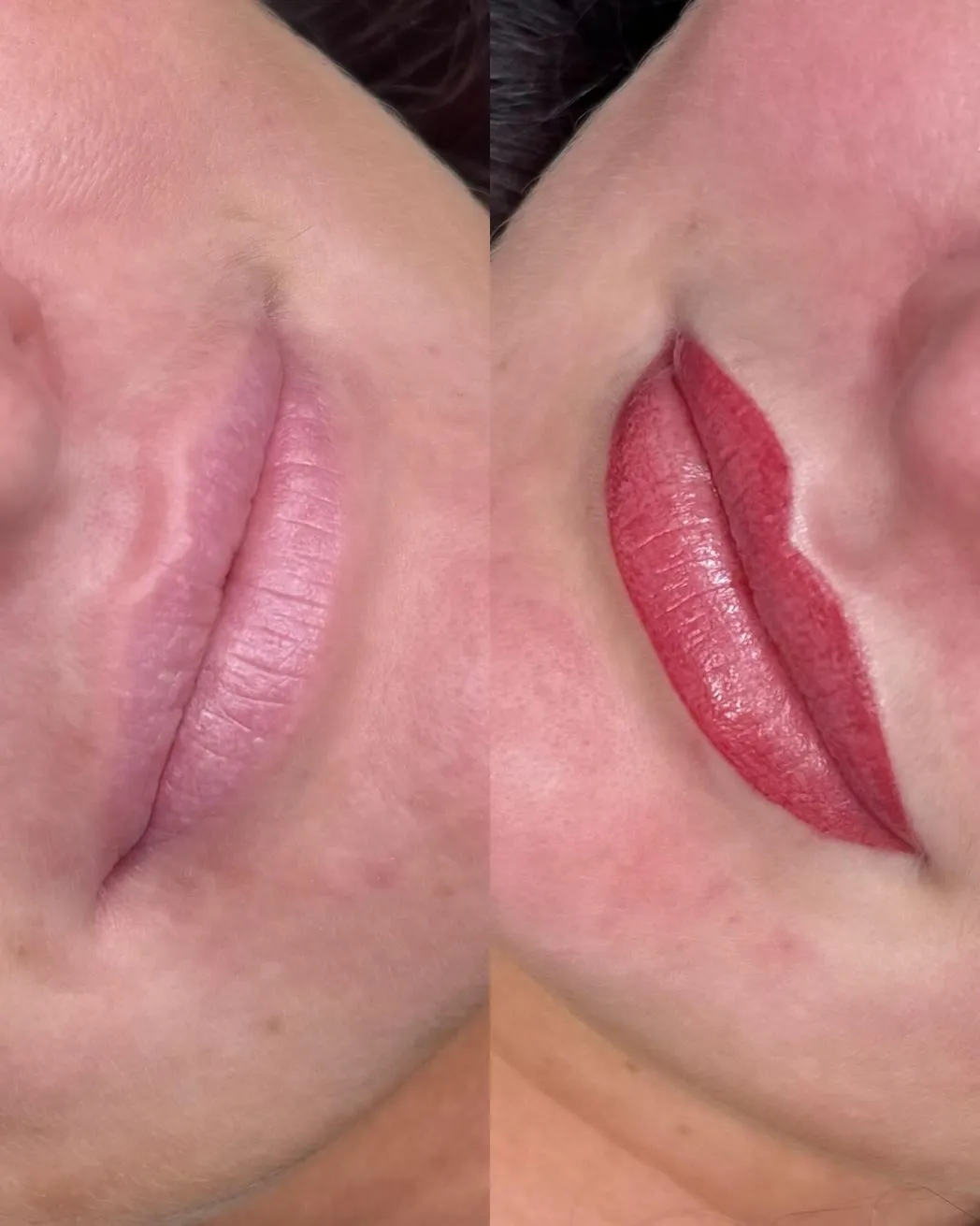
Absolutely — and many clients do. At the 4–5 year mark, you’ll usually need a full touch-up rather than a minor boost. Removal or correction options (for colour adjustment or lip line reshaping) include:
- Saline solution tattoo lightening
- Laser treatments (if pigment allows)
- Lip neutralisation techniques using corrective colour pigments
Each method has pros and cons. I’ll walk you through which is safest based on your pigment, lip skin condition and treatment history.
Real Clients: Five-Year Check-Ins
One of my long-term Melbourne clients came in recently after 5 years of wear. Her lip blush had softened into a gentle coral tint with just a touch of unevenness on the top lip line. No harsh lines, no strange tones. We topped her up with a warm nude pigment using a fine needle and redefined her shape slightly — and now she’s set for another 3–4 years.
These outcomes are why I always focus on natural tones, long-term healing process and gradual fades. No two lips are the same, and your colour choice matters long after the appointment.
What to Expect If You’re Booking Now
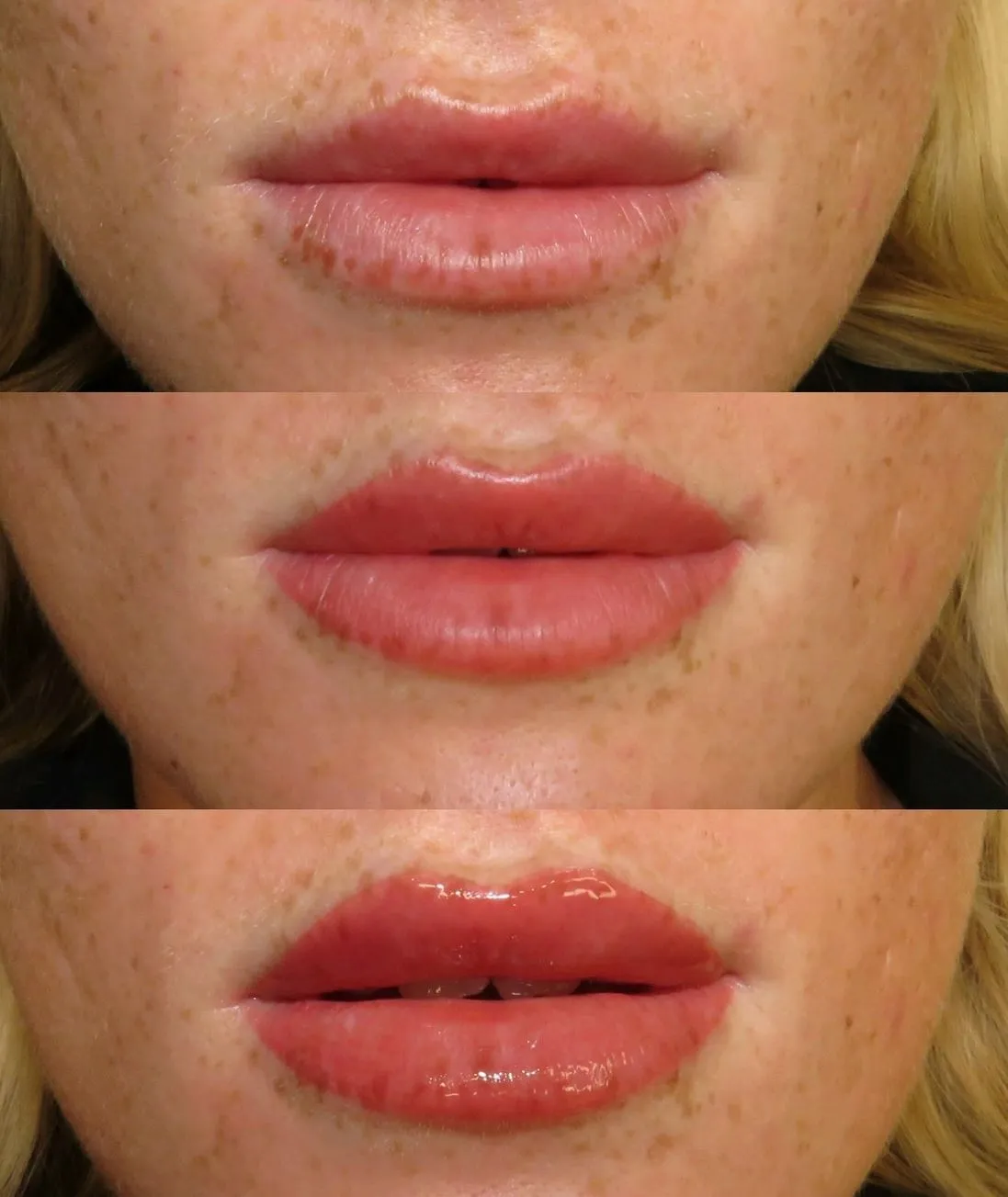
If you’re considering your first lip blush tattoo, here’s the reality:
- You’ll get a 2-stage treatment (initial + 6–8 week touch-up)
- Medical anaesthetic is used for comfort
- Colour heals 30–50% lighter than day one
- Full healing takes 6 weeks
- Maintenance touch-ups are recommended every 2–3 years for best results
If you want a cosmetic lip tattoo Melbourne beauty editors are calling the go-to low-maintenance lip solution, be sure to choose an artist who prioritises shape, skin safety and pigment choice.
Final Thoughts
So, what does a cosmetic lip tattoo look like after 5 years? If done right, it looks like soft colour that gently lifts your natural lips, not like a 5-year-old permanent tattoo. It may fade, it may shift slightly, but it can still look beautiful.
At Cosmetic Tattoo Melbourne Studio Face Figurati, I focus on long-term results, pigment integrity and working with your unique skin type. If you’re ready for your own low-maintenance lip tint that lasts beyond your makeup bag, let’s chat.
Still have questions about fading, healing or pigment options? Book a free consult — I’m always happy to walk you through it.
FAQ
Will my lip tattoo still be visible after 5 years?
Yes, but it will look much softer and more faded — usually like a tinted lip balm rather than a fresh lipstick look. Most clients see a 50% or more fade over time.
Does a cosmetic lip tattoo change colour over the years?
It can. Cooler pigments may fade to mauve or ashy tones, while warmer shades soften to coral or peach. Pigment quality and your skin type play a big role.
Can I touch up a lip tattoo after 5 years?
Absolutely. Most clients book a full re-touch at the 4–5 year mark to refresh the shape and colour. It’s a great chance to update your look.
Can sun exposure affect my tattoo long term?
Yes — UV rays speed up pigment fading and can affect colour retention. Use SPF lip balm and avoid tanning beds if you want your results to last.
Can I remove or correct a 5-year-old lip tattoo?
Yes. Saline removal, laser treatments or corrective colour neutralisation can all help, depending on your lip condition and pigment. A consultation is the best place to start.