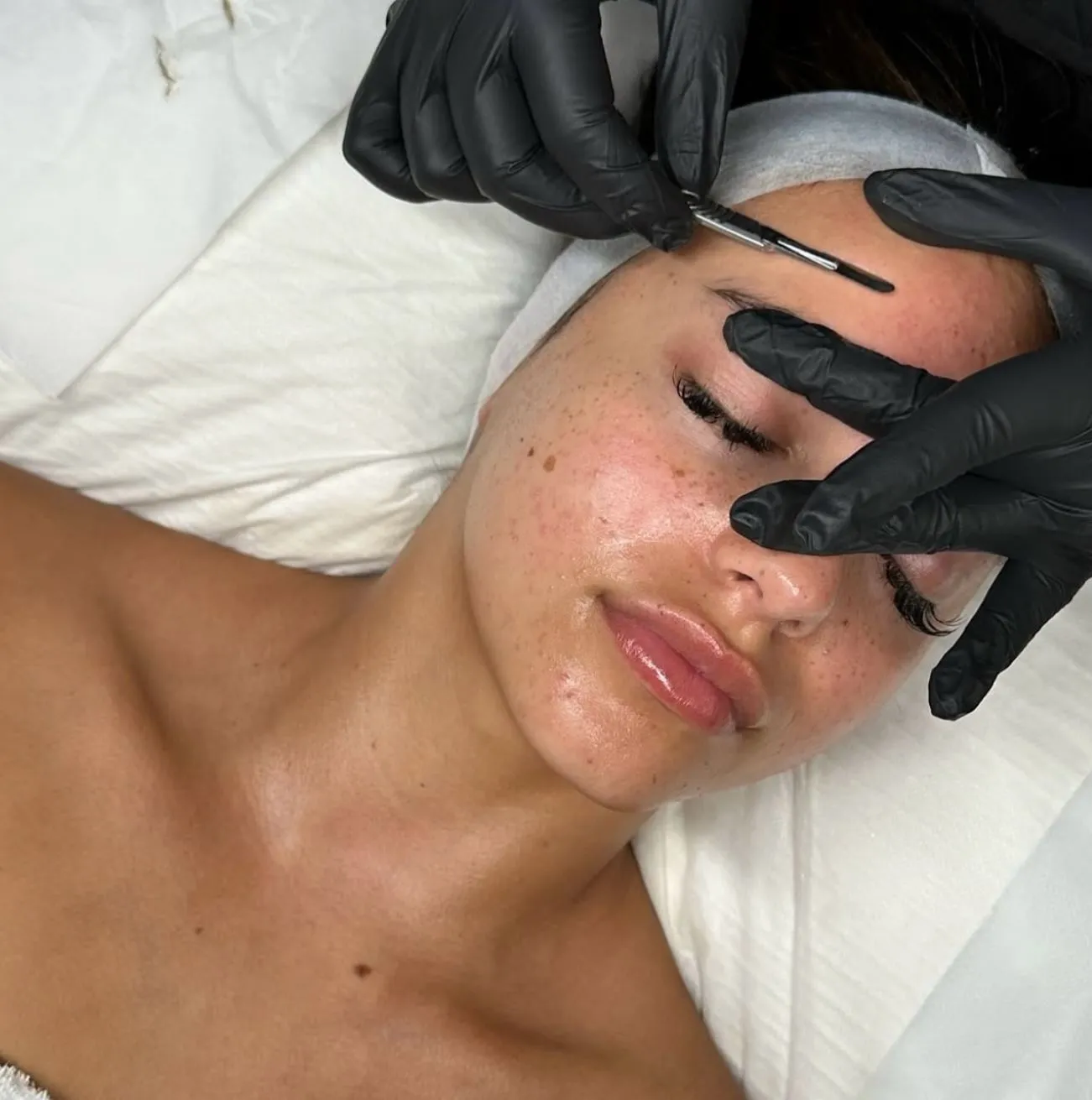
We get it. The promise of a peach-fuzz-free, glassy-smooth face sounds like the stuff of beauty dreams. And for many, dermaplaning can deliver a polished result. Smoother skin, easier makeup application, and better absorption of skincare products? Tick, tick, tick. But as with any cosmetic procedure, it’s not all sunshine and flawless selfies. So if you’ve found yourself Googling “What are the downsides of dermaplaning?” — welcome, you’re in the right place. Let’s unpack it all.
We’re Uliana Kasperska and Anastasia Petkov, cosmetic tattoo artists and skin-focused beauty professionals based in Brisbane. And just like we do in-studio at Cosmetic Tattoo Brisbane Studio, we’re here to give you honest, expert guidance — not just trend-chasing fluff. So let’s break down the pros and cons of this noninvasive procedure, especially for our Queensland clients navigating heat, humidity, and sensitive skin types.
What It Is and What It’s Not
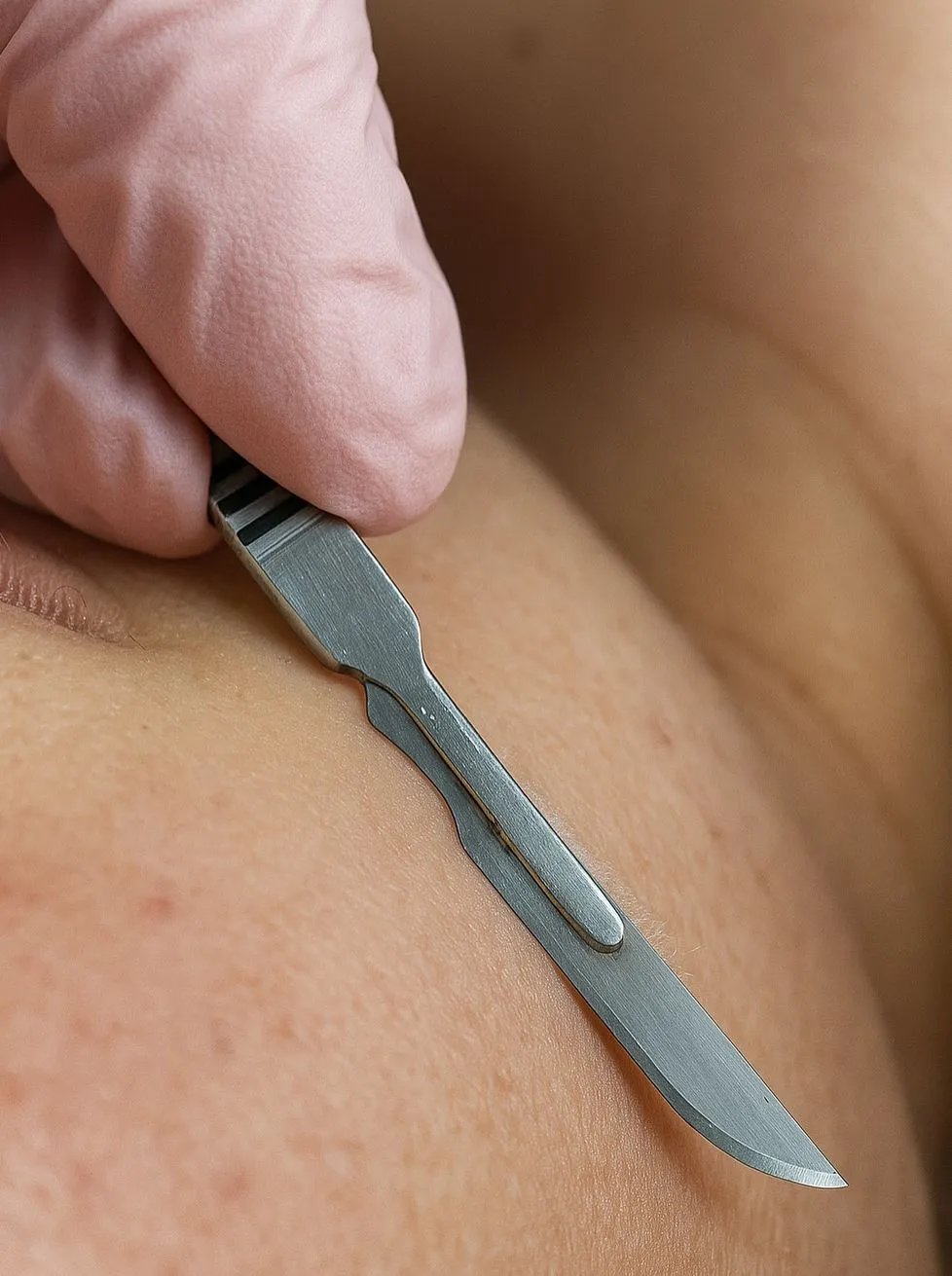
Before we talk downsides, a quick recap. Dermaplaning is a form of manual exfoliation that uses a sterile surgical blade (aka dermaplaning blade or safety blade) to remove dead skin cells and vellus facial hair from the outermost layer of skin. The goal? Smooth skin, brighter skin tone, and better skin care product penetration. It’s a cosmetic procedure with immediate but short-term results.
At Cosmetic Tattoo Brisbane Studio Face Figurati, we offer professional dermaplaning Brisbane clients can trust — tailored to your unique skin type and health history.
It removes the uppermost layers of dead skin — but remember, not all layers of skin are equal, and delicate skin may not tolerate this form of exfoliation well.
Not All Skin Loves a Blade
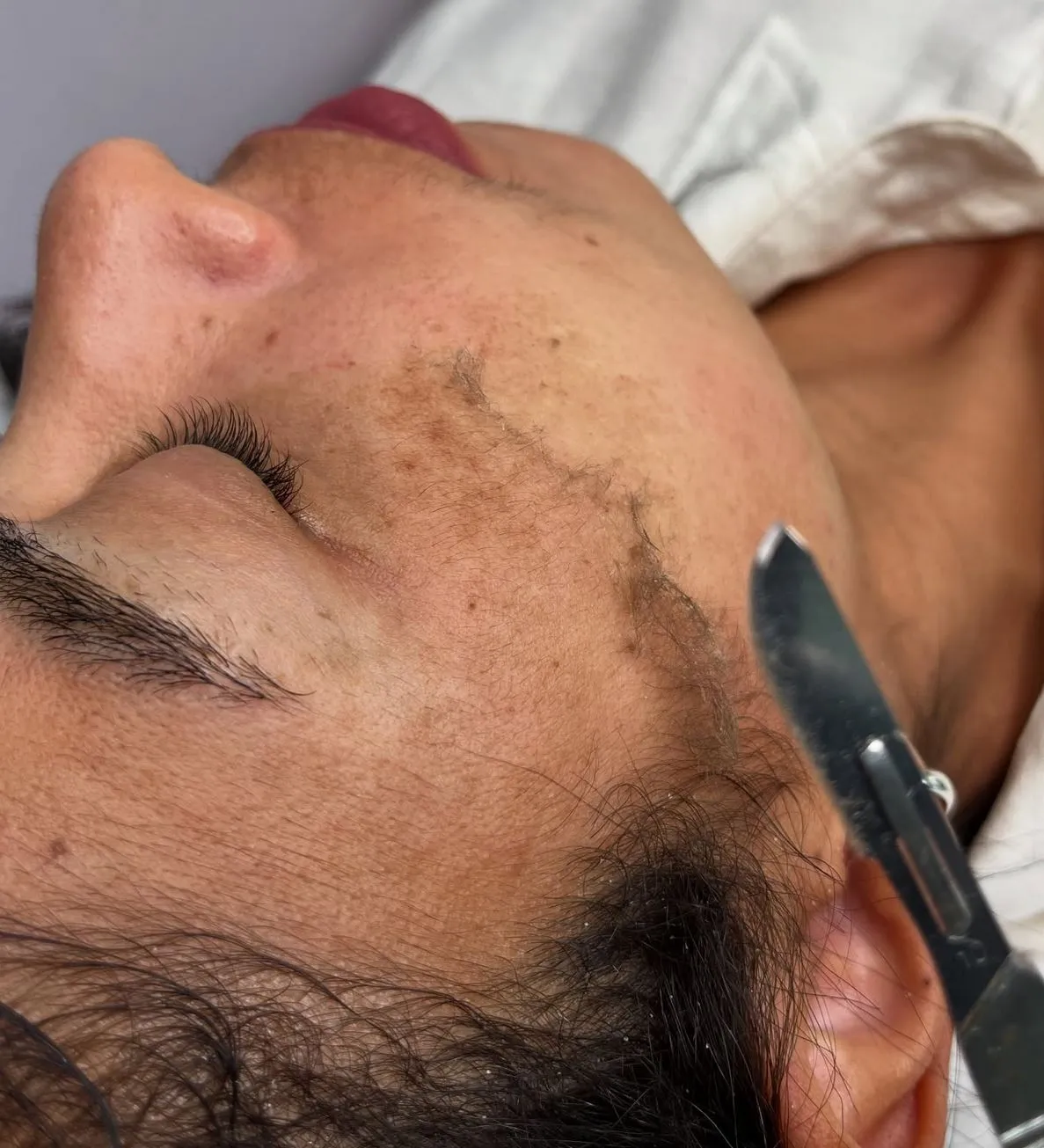
Some skin types just don’t vibe with sharp tools — especially if:
- You have active acne or fresh breakouts
- You’re prone to eczema, psoriasis, rosacea, or other active skin conditions
- You’re on medications like Accutane or undergoing cancer treatment
In these cases, dermaplaning can cause irritation, worsen inflammation, or even lead to post-treatment scabbing. If you have sensitive skin or dry skin, the effectiveness of skin treatments like dermaplaning can vary person to person. In our Brisbane studio, we often guide clients toward gentler forms of exfoliation when they’re mid-flare-up.
Post-Treatment Breakouts
One of the lesser-known downsides of dermaplaning is that some clients experience a purge or breakout a few days after treatment. Why? Because removing the uppermost layers of skin can expose clogged hair follicles underneath. Combine that with Brisbane’s sticky summer humidity and you’ve got a recipe for congestion and ingrown hairs if aftercare isn’t followed properly.
Tip: Stick to non-comedogenic moisturisers and avoid heavy makeup for at least 24 hours after treatment.
Short-Term Glow, Long-Term Maintenance
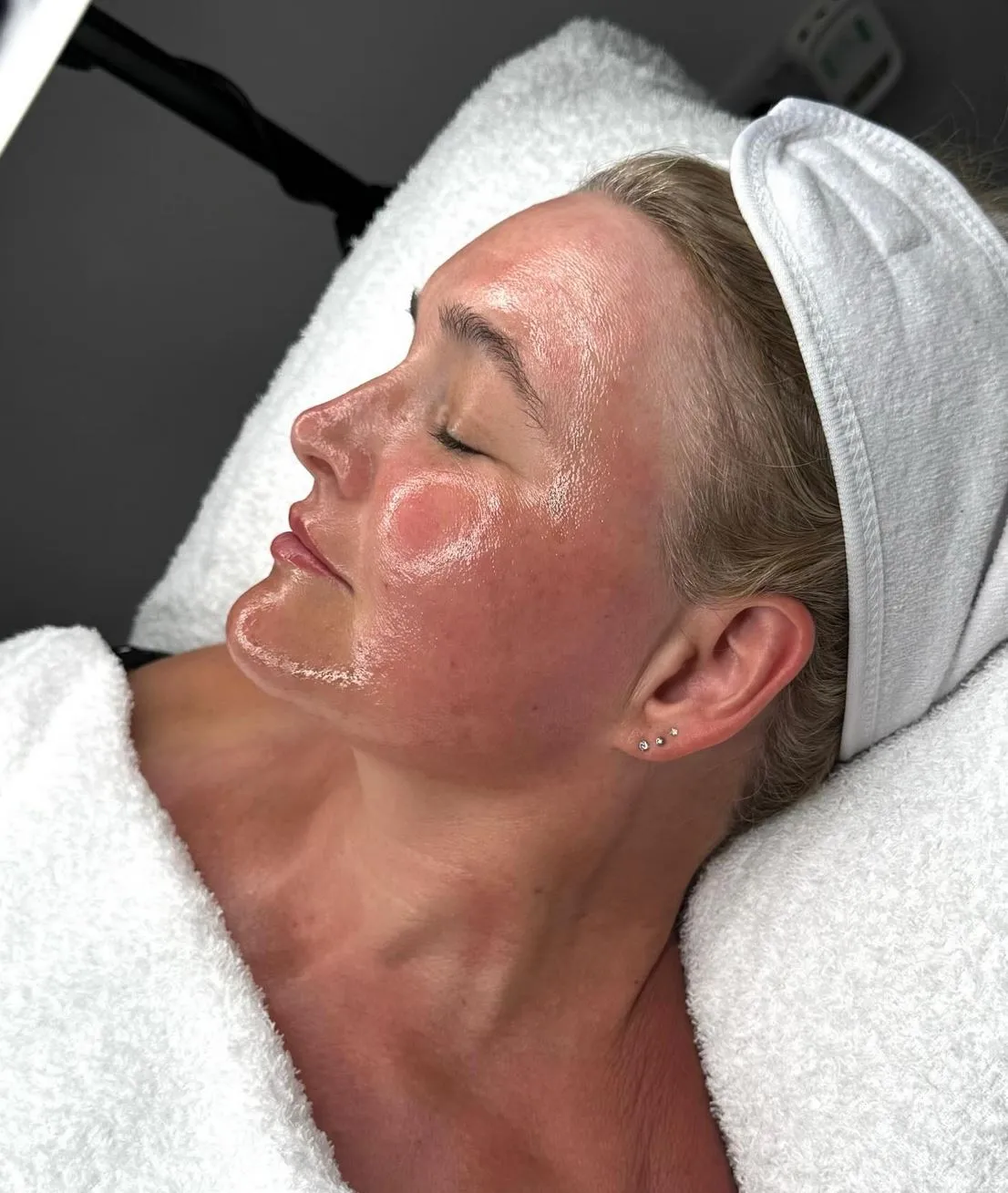
Here’s the truth: dermaplaning isn’t a once-off miracle. It’s a maintenance skin treatment, and results typically last about 3–4 weeks. That means regular appointments — and consistency in your beauty routine — to keep that smooth, healthy-looking skin going.
If you’re booking dermaplaning Brisbane sessions regularly, space them out properly to allow your skin to recover.
Dermaplaning frequency table:
| Skin Type | Recommended Frequency |
|---|---|
| Dry/Sensitive Skin | Every 4–6 weeks |
| Normal/Combo Skin | Every 3–4 weeks |
| Oily/Acne-Prone Skin | Case-by-case basis |
Not a Hair Removal Miracle
Contrary to TikTok myth, dermaplaning is not a permanent hair removal treatment. It removes facial hair temporarily and does not change the hair growth rate, colour, or thickness. But yes — as facial hair grows back, it can feel blunter, which is totally normal.
Caution: Those with darker skin tone may notice changes in the appearance of skin post-treatment if irritation or redness occurs.
Expect Redness or Flaking
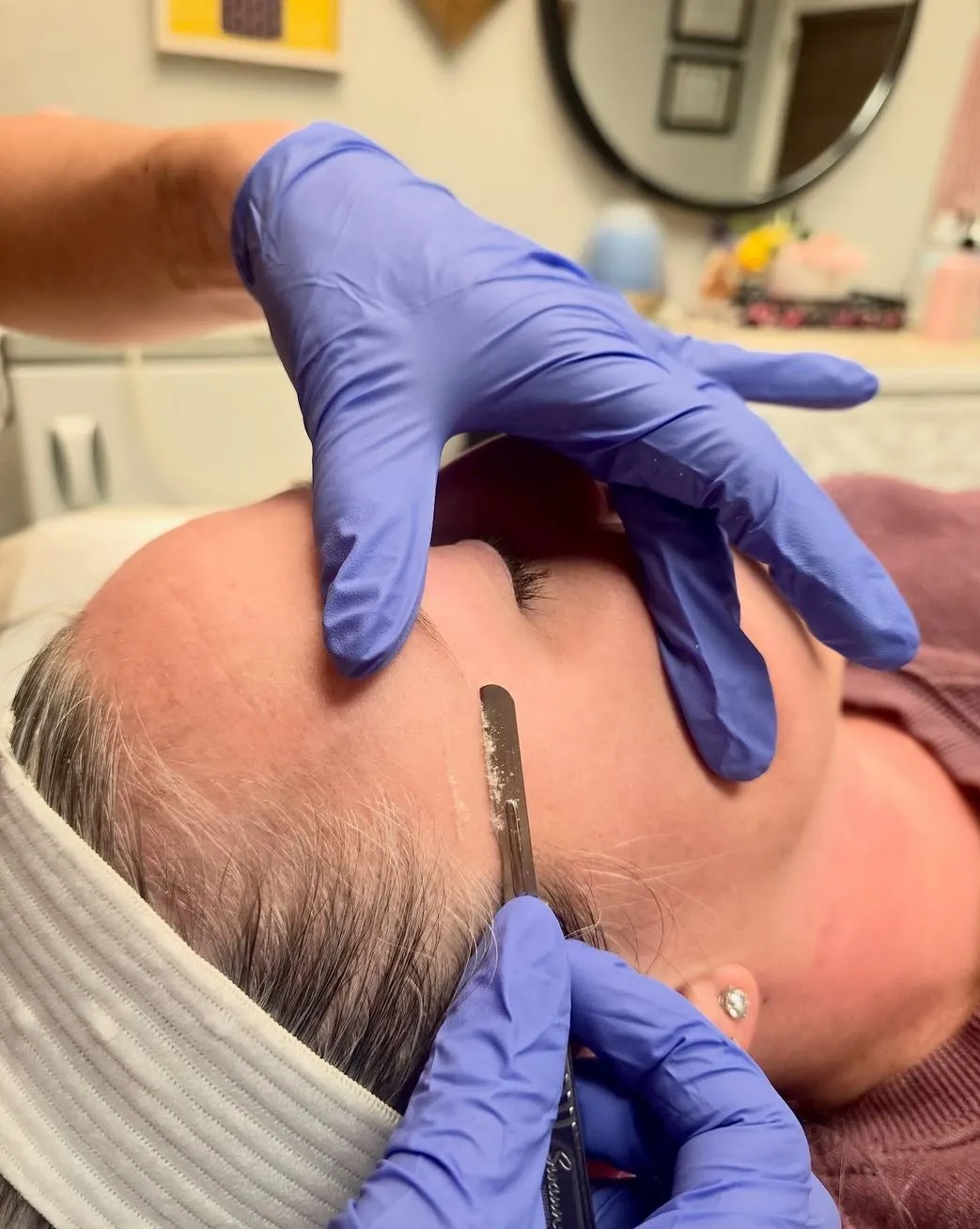
Especially for first-timers or anyone with thinner or sensitive skin, dermaplaning can cause short-term skin irritation, facial redness, or even light peeling. That’s normal, but it means downtime is a consideration — especially before events or if you’re dealing with deep acne scars or major skin care issues.
Avoid dermaplaning right before:
- Weddings or photo shoots
- Extended sun exposure
- Other exfoliating or resurfacing procedures (e.g., chemical peels, laser)
Brisbane Bonus: Watch the Sun
Post-dermaplaning skin is more vulnerable to sun exposure and UV damage. And in Brisbane? That sun doesn’t mess around. Always apply (and reapply) a high-SPF sunscreen daily post-treatment, especially in the hours after treatment. Delicate skin is extra vulnerable to damage at this stage.
Prep and Aftercare Checklist
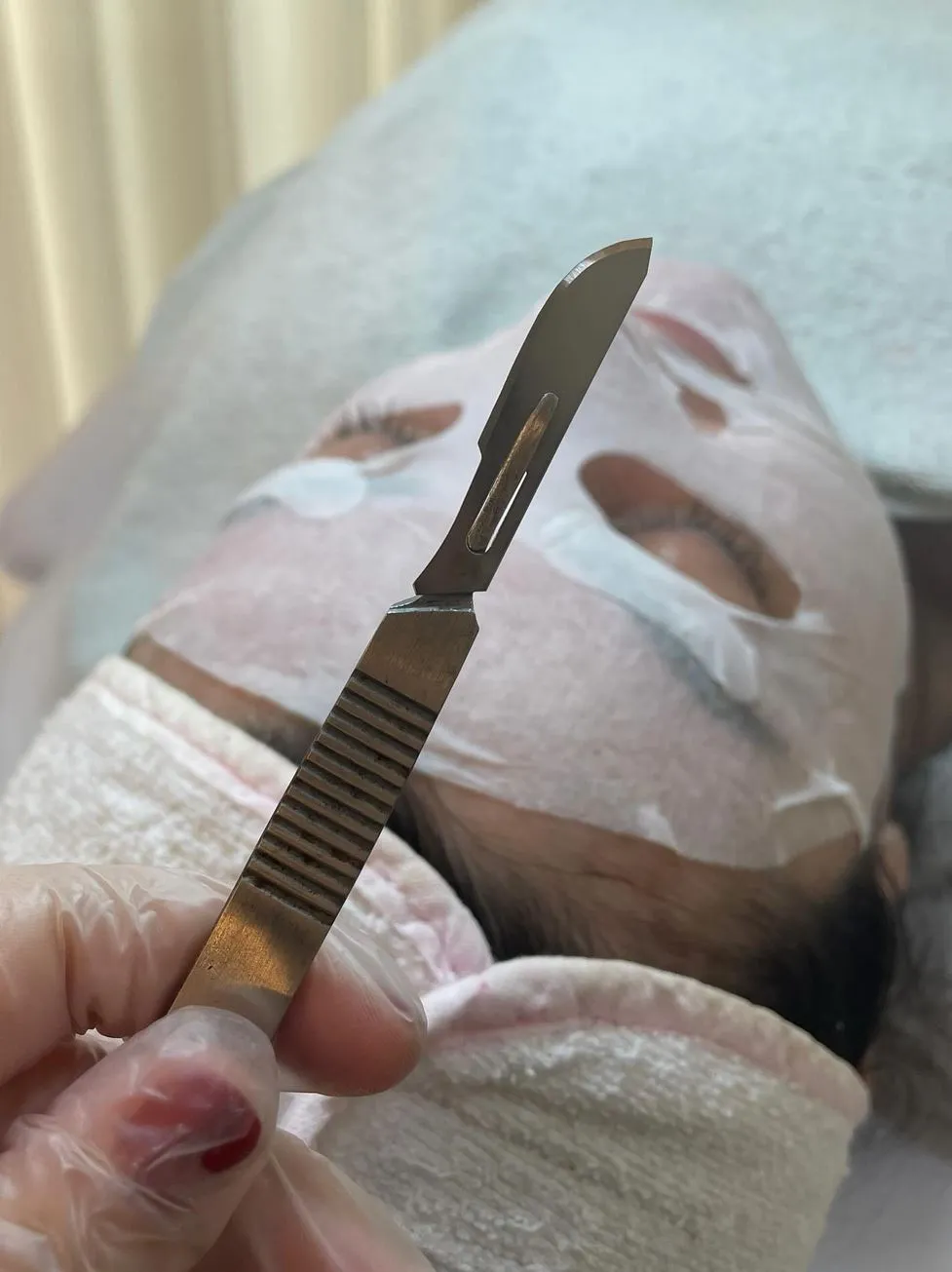
Before your treatment:
- Stop retinoids or exfoliants 3–5 days before
- Avoid active breakouts or current breakout areas
- Stay out of the sun and prep your skin care products ahead of time
- Let your skincare professional know your full health history (including any medical conditions or cancer treatment history)
After your treatment:
- Skip makeup for 24 hours after treatment
- Use a gentle cleanser and hyaluronic acid
- Moisturise generously with non-irritating skincare products
- Avoid facial shaving, harsh scrubs, or other forms of exfoliation
- Wear SPF 50+ daily to protect the layer of skin that’s now exposed
Real Stories from Our Studio
We’ve had clients come in thinking dermaplaning would “solve” their congestion and leave them with brighter skin, only to find their skin type needed a completely different cosmetic procedure. One Brisbane client with acne-prone skin ended up with more flare-ups days after treatment following a DIY session. Once we moved her toward enzyme exfoliation and simplified her skincare products, her skin tone evened out and her deep scars faded over time.
Another client with deep acne scars hoped dermaplaning would reduce the appearance of scars — but we had to be honest: this kind of manual exfoliation won’t touch deeper layers of skin. Sometimes, it’s about managing expectations.
2025 Skin Trends
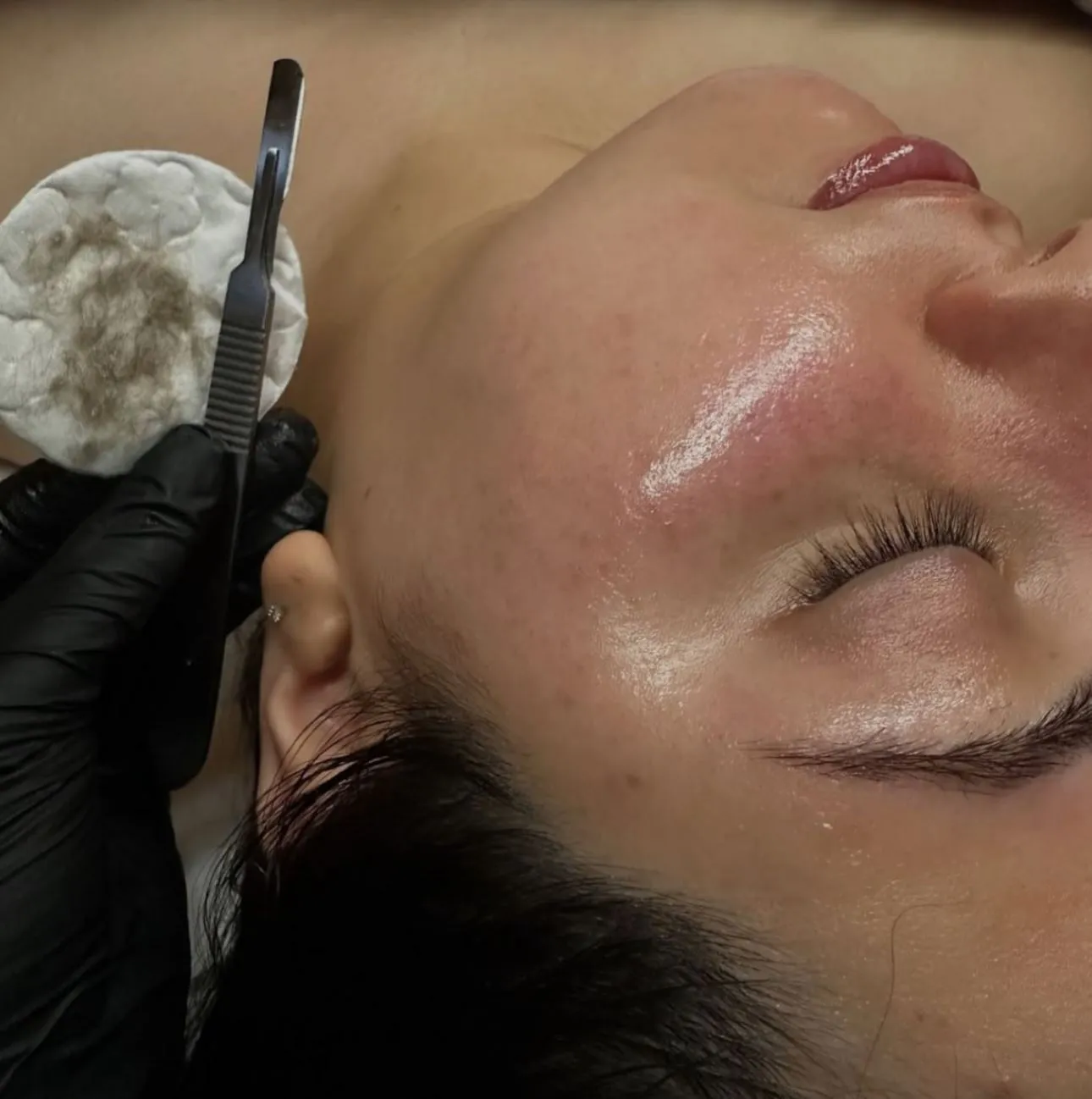
According to recent beauty trend data, dermaplaning is still one of the top five most requested outpatient procedures in 2025, particularly among 25–45 year olds seeking smoother skin and a more polished appearance of skin. But the trend is shifting: clients are pairing it with LED therapy or post-procedure calming masks to reduce potential side effects.
Professional skincare providers now recommend dermaplaning only under the care of an experienced provider — not a rushed job at home during your spare time. The risks (like uneven hair removal or worse, severe side effects) just aren’t worth it.
2026 Skin Treatment Data
Looking at 2026 aesthetic treatment data, demand is clearly shifting toward low-risk, barrier-friendly exfoliation. Industry reporting shows that while dermaplaning remains popular, over 41% of clients now alternate blade-based exfoliation with non-abrasive treatments to reduce inflammation, sensitivity, and post-treatment breakouts. This change is especially noticeable in warm, high-UV climates like Queensland, where compromised skin barriers and pigment rebound are more common after aggressive exfoliation.
In response, many Brisbane clients are opting to rotate dermaplaning with gentler resurfacing options such as a microdermabrasion facial at The Facial Hub, which offers controlled exfoliation without disrupting active breakouts or reactive skin. Compared to manual blade exfoliation, microdermabrasion shows a 27% lower rate of post-treatment congestion in clients with oily or acne-prone skin, according to 2026 clinic-reported outcomes.
Another notable 2026 trend is the rise of treatment stacking for skin longevity. Rather than chasing instant smoothness alone, clients are prioritising skin resilience, pigment stability, and barrier repair. This has led to a 34% increase in combined protocols pairing exfoliation with LED therapy, hydration infusions, or calming enzyme treatments. For many, alternating dermaplaning with a professionally performed microdermabrasion facial at The Facial Hub delivers smoother texture while keeping long-term skin health firmly in check.
Final Thoughts
There’s no one-size-fits-all when it comes to skin care or hair removal techniques. Dermaplaning can absolutely contribute to healthier skin and a brighter look — but it can also stir up reactions if your skin isn’t the right fit.
Our advice? Chat to a qualified skincare professional (not your influencer mate) who knows your skin type, lifestyle, and medical conditions. In some cases, a plastic surgeon or dermatologist may be the better choice if you’re dealing with serious issues.
Still unsure if dermaplaning is right for your beauty routine? Pop us a message or visit us in-studio in Brisbane. At Cosmetic Tattoo Brisbane Studio Face Figurati, we’re always happy to chat skin and tailor your treatment to your needs.
FAQ
Can dermaplaning make my skin worse?
Yes. If you have active breakouts, sensitive skin types, or use the wrong skincare products, you may experience redness, peeling, or increased congestion.
Will the hair grow back darker or thicker?
No. The hair removal process doesn’t change hair growth rate or colour. It may feel different because of the blunt ends.
Can I dermaplane at home?
Technically yes, but it’s risky. DIY facial shaving can lead to cuts, uneven hair removal, and irritation without professional tools or hygiene standards.
Is dermaplaning safe during pregnancy?
Usually, yes. It’s a nonsurgical procedure and doesn’t involve chemicals. But check with your healthcare provider first.
What should I avoid after dermaplaning?
Avoid harsh skin treatments, sun exposure, heavy skincare products, and wearing makeup immediately. Give your skin post-procedure time to recover.